
The Role of Electric Vehicle Charging Station Contractors in Commercial Property Development
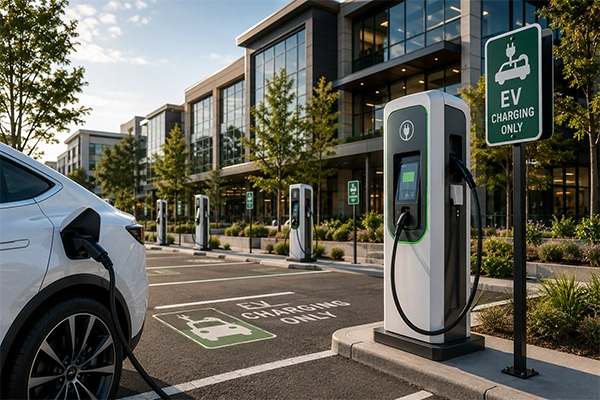
Modern commercial properties are increasingly integrating EV charging stations to support sustainability and tenant demand
The growing use of electric vehicles is still having an effect on how business properties are planned, built, and improved. Long-term energy infrastructure is becoming more and more important to developers, and they are not just adding it at the end of their projects.
This change is happening because of more tenants wanting to rent, new rules, and the need for properties to stay competitive in a transportation environment that is always changing.
Because of this, it’s more important than ever for modern building projects to have professionals involved who know about charging systems, planning electrical loads, and installation needs.
Their work makes sure that business developments are not only useful for people who use them now, but also flexible enough to adapt to changes in how people move around in the future.
Commercial Charging Infrastructure Shift
Why Developers Prioritize Charging Integration
Charging stations for electric vehicles are now being constructed by commercial property developers during the planning phase, rather than after the project is completed. This method helps avoid expensive upgrades and keeps building activities running smoothly in the future.
Charging readiness can also raise the value of a property, draw tenants who care about the environment, and help long-term leasing strategies.
Charging stations are often seen as a standard amenity by modern business tenants, especially in office parks, shopping malls, and mixed-use developments.
To make sure that power delivery systems can handle more demand, architects, engineers, and electrical planners must carefully work together during the integration process.
Developers also need to think about how to set up parking, meet accessible standards, and plan for future growth. Even if transportation technology evolves and more people use electric cars, projects can be valuable if charging facilities are included early on.
Planning Electrical Capacity and System Design
Electricity planning is a crucial component of incorporating charging stations into commercial constructions. Power needs must be carefully considered so that building systems don’t get overloaded.
This is especially important on properties where more than one charging point may be working at the same time. Load balancing, transformer capacity, and energy management systems are all parts of making sure that performance is stable.
In many projects, developers rely on guidance from electric vehicle charging station contractors in Vancouver, WA, to assess feasibility and determine installation requirements that align with current and future demand.
These experts help make sure that infrastructure is scalable, which means that more charging points can be added without having to completely redo the system.
When a system is properly designed, it takes into account how much energy it uses, when it is most used, and whether it can connect to green energy sources if they are available.
Commercial property owners can benefit from early coordination with specialized teams to guarantee that system setups match their exact site layouts.
Choosing a professional team for an All Spark Electric EV charger installation helps manage electrical capacities safely from the beginning. This deliberate approach ensures the infrastructure supports high daily utilization while protecting the surrounding electrical grid from unexpected strain over time
This level of planning helps keep operations stable over the long term and lowers the chance of having to pay for expensive electrical upgrades after building is done.
Supporting Regulatory Compliance and Safety Standards
When adding charging infrastructure, commercial buildings have to follow electrical codes, safety rules, and standards for accessibility. These rules depend on where you are, but they usually include rules for wiring, grounding, signs, and where to put tools.
Before a project goes into service, contractors involved in this process make sure it meets inspection standards and gets all the necessary certifications.
Safety is very important, especially in parking lots with a lot of people where people use charging equipment immediately. Electrical problems, overheating, and bad grounding are less likely to happen when the work is done right.
Accessibility rules must also be followed to make sure that charging stations can be used by people with disabilities. Working with professionals who understand these regulatory systems is helpful for developers because it speeds up the approval process and keeps projects from being late. Commercial buildings can stay safe while keeping the public’s trust and usability by meeting these standards.
Enhancing Tenant Experience and Property Value
Tenants’ satisfaction with their rental houses is increasingly dependent on the availability of charging stations for electric cars. Businesses are becoming more and more aware that customers and workers want easy access to charging stations while they’re at work or shopping.
In real estate markets where competition is high, this trait can help one property stand out from others. Charging stations assist office buildings achieve their environmental goals, which in turn attracts and retains staff. It has the potential to increase sales in stores by luring people to spend more time there while their automobiles charge.
Property owners also know that charging infrastructure can help bring in more tenants and keep leases stable over the long run. As the need for charging stations grows, buildings that don’t have them may become less appealing to people who want to rent them.
So, adding this infrastructure isn’t just a technical choice; it’s also a strategy one that affects how well the property does overall and where it stands in the market.
Installation Challenges in Large Commercial Projects
Putting charging stations in business developments can be hard because of the engineering and logistics involved. To handle more power, older buildings that are being renovated may need to have their electrical systems upgraded.
It’s also possible that parking buildings will need to be changed so that wiring, conduit routing, and equipment placement can be done without blocking traffic.
Often, it takes coordination between several contractors to make sure that electrical work fits in with building schedules and design requirements. When choosing tools and installation methods, you should also think about how to protect against weather, theft, and damage over time.
Phased installation is sometimes used in big projects to spread out costs and keep track of how the system grows over time. Planning ahead helps cut down on downtime and gets charging stations back up and running as soon as possible after a job is finished.
Taking care of these problems early on in the development process helps avoid delays and extra costs that were not planned for.
Integration with Smart Building Technologies
More and more modern business buildings use smart technologies that make energy management and running the building more efficiently. Adding charging stations for electric cars to these platforms can help keep an eye on usage, handle load distribution, and get the most out of the energy used.
With this connection, building managers can see how things are going in real time and change how energy is used based on how demand changes.
It also supports features like logging in as a user, automating billing, and tracking from afar. Charging infrastructure is part of a larger digital ecosystem that makes operations easier to handle when it is combined with building management systems.
This level of integration can also help with environmental reporting by giving correct information on how much energy is used and how much pollution is reduced.
As business buildings move toward smarter infrastructure, charging systems are becoming an important part of managing the whole building.
Read More on DDABLOGS: Jasper Breckenridge Johnson: Don Johnson Private Son
Future Growth and Infrastructure Expansion
As the number of electric vehicles on the road continues to grow, businesses need to get ready for the future growth of charging facilities. This includes making systems that can handle more charging points without having to make big structural changes.
For long-term adaptability, electrical layout and capacity plans must be able to be changed. More and more, developers are thinking about ways to “future-proof” buildings so that they can stay competitive for decades. More stronger electrical panels, additional storage space, or modular charging systems could be necessary to do this.
When properties plan for growth, they can adapt to changing demand without too much trouble. It also helps protect the long-term value of investments by making sure they are still useful in a transportation world that is changing quickly.
As technology improves, business developments that focus on scalable infrastructure will be better able to keep up with changing regulations and tenant needs.
Infrastructure for charging electric vehicles is becoming an important part of modern business property development. Its integration impacts design choices, electrical planning, tenant happiness, and the long-term value of a building.
When developers plan for charging systems early on, they can avoid having to make expensive changes and make the project run more smoothly overall.
Commercial properties that provide charging stations will remain competitive and attractive to tenants as the number of electric cars on the road continues to climb.
Coordinated planning, technical installation, and the ability to grow in the future are what make these systems work well in a variety of building settings.
Over time, charging stations will probably become a normal part of business development. This will change how properties are planned, built, and run.


Leave a reply


-
Is Joe Machi Married? The Truth About the Comedian’s Private Life
Joe Machi has probably won you over if you’ve ever seen Last ... -
-
-


