
What Homeowners Often Overlook When Hiring Plumbing Contractors
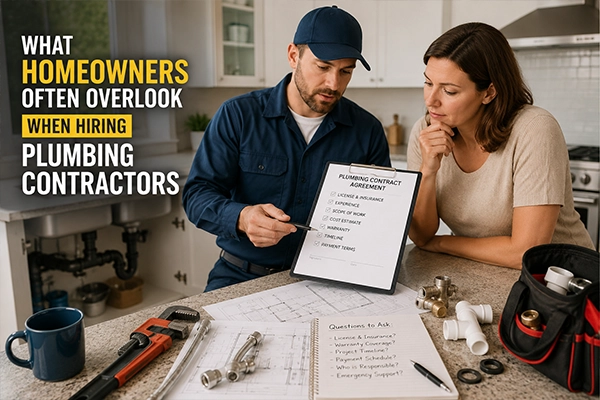
Careful planning and contractor verification help homeowners avoid costly plumbing mistakes and project delays
It may seem easy to hire plumbers, but many people don’t think about important factors that can affect the results in the long run. There are more things than just prices that affect the outcome of any plumbing job, such as the quality of communication, the standards of the materials used, and who is responsible for what.
Many problems aren’t apparent until after the work starts. That’s why it’s important to plan ahead, think carefully before making a decision, and set standards early on.
Maintaining complete oversight over your residential systems requires looking at how different utility projects fit together. Homeowners who plan updates intentionally often find that coordinating plumbing renovations with professional providers can improve long-term convenience and efficiency.
Partnering with a comprehensive local company like Michael Bonsby HVAC, Plumbing & Electrical can help keep your home infrastructure running reliably throughout seasonal changes.
A similar approach helps when dealing with other vital household systems, such as your air conditioning. Just like plumbing, managing your home comfort requires foresight, especially when summers bring heavy demands on your equipment.
Evaluating your options for residential cooling services ahead of time ensures that your system functions efficiently and stands up to seasonal heat.
Taking a proactive stance with professional alignment prevents minor glitches from turning into complete system failures, helping to preserve the general durability of your interior setup. This balanced preparation supports a smooth operation across all your home utility investments.
Maintaining your home’s mechanical systems involves a holistic strategy that balances immediate repairs with consistent, long-term care. While plumbing issues are a primary concern for many homeowners, coordinating these updates with other essential services can improve overall property performance and safety.
Professional teams like Merrell & Associates help ensure that water infrastructure, heating units, and cooling systems are evaluated together rather than in isolation.
This level of professional alignment supports a more efficient living environment and protects the structural integrity of the property from common issues like moisture damage or electrical strain
Homeowners who want to secure long-term efficiency for their properties should consider similar strategic partnerships for their cooling systems. Investing in routine preventative maintenance or timely replacements can minimize energy waste and prevent unexpected breakdowns.
Working with experienced technicians like Roberts Air, LLC ensures that your climate control infrastructure remains durable, reliable, and properly configured to handle sudden summer heat spikes smoothly.
Key Oversights in Hiring Plumbing Contractors
Licensing and Verification Gaps
When people hire plumbers, one thing that is often forgotten is to make sure that they have the right licenses and insurance. A lot of people think that anyone giving plumbing services has followed the law, but this isn’t always the case.
This can be very problematic if problems arise during or after the work. Checking the contractor’s paperwork, making sure they are registered, and making sure they have liability insurance are all good ways to make sure they are responsible and can handle any problems that come up on the job site.
That being said, homes might have to deal with financial problems or project delays that could have been avoided if they had just done their research and looked over everything carefully every time.
This step is often skipped because of trust or a sense of urgency, but it is very important to make sure that plumbing systems are installed or fixed according to safety standards. This will keep them working properly and avoid arguments over who is responsible for problems later on in the property’s maintenance cycle.
Communication and Cost Transparency Issues
People who are hiring plumbers often don’t think about how important clear communication is, but it has a direct effect on how happy the homeowner is with the job and how efficiently it is completed.
Misunderstandings about deadlines, materials, and the work’s scope can easily cause stress and extra costs that could have been avoided if the details had been talked over more clearly from the start.
Some homeowners also don’t ask for full explanations of pricing structures, which can lead to charges they didn’t expect later on in the job. Working with Papillion, NE, plumbing contractors can highlight the importance of establishing clear expectations early, especially when comparing service approaches and communication styles across providers.
Homeowners often think that cost estimates will stay the same, but without written agreements and regular updates, budgets can change a lot during execution. This can cause confusion and make it hard to plan for any other changes that may come up as the plumbing work is done in stages.
Regular updates make the whole project schedule less uncertain and easier to coordinate. If clear communication isn’t a top priority, it can lead to disagreements about payment expectations, material substitutions, and schedule changes.
All of these problems could have been avoided if the homeowner and plumbing service provider had kept detailed records and talked about them before the work started on-site.
Experience with Complex Systems
Not every plumber has the same amount of experience with complicated home or business systems, and you usually only notice the difference when problems come up during installation or repair.
Some homeowners think that basic plumbing knowledge is enough for all jobs. However, more complex systems, like older infrastructure or water distribution systems with multiple levels, need a deeper understanding of specific layouts and materials.
When contractors don’t have this much experience, they might make mistakes when installing or troubleshooting, which could mean that the property owner has to pay for more fixes over time.
When doing important plumbing work, it’s helpful to look at the types of projects the contractor has done in the past and learn how they handle complicated systems.
Another factor that isn’t given enough attention is the ability to find root causes of problems instead of just treating the symptoms. This can have a big impact on how well plumbing systems work after repairs or installs in older homes or buildings with outdated infrastructure. Reliability over time relies on correct diagnosis and execution.
Warranty and Accountability Concerns
People who are choosing plumbers often don’t think about warranty coverage and accountability terms, but they are very important for keeping homeowners safe from future problems.
A lot of people only look at the up-front costs and don’t think about what kind of guarantee is given for the work or materials used in the job. If who is responsible isn’t made clear, there may be disagreements about fixes, replacements, or extra costs after the job is done.
Knowing how long the warranty lasts and what it doesn’t cover lets homes know what kind of help is available if problems arise later.
Some contractors offer restricted guarantees that don’t cover certain types of damage or problems caused by outside factors. Because of this, homeowners need to carefully read agreements and make sure they understand who is responsible for what before the work starts to avoid confusion later on.
Clear paperwork protects both sides and greatly lowers disputes over time, especially in installations or repairs that are complicated and have many stakeholders and due dates.
Timing and Availability Assumptions
When choosing plumbers, homeowners often forget to include important details like when the work will be done. A lot of people think that contractors are always available right away or can finish work quickly, but their real availability often depends on their workload, the complexity of the project, and the time of year.
This difference between what was expected and what happened can be frustrating, especially when plumbing problems need to be fixed quickly but the worker can’t do what they need to do.
Making plans ahead of time and talking about deadlines early on helps everyone involved in the project have fair expectations. If homeowners don’t ask if there are any timing options, they might have to wait longer than planned or deal with delays that make it hard to do other renovations or maintenance work on the same property at the same time.
Flexible planning lowers stress and makes it easier for homeowners and workers to work together, which means the project will go more smoothly even if there are delays or shortages of supplies at any point.
Explore More: Baxter Neal Helson: Drummer & Tish Cyrus Ex-Husband
Final Checks Before Hiring Decision
Many homeowners overlook the need of thoroughly reviewing all contract details before hiring plumbing contractors.
Even if initial interactions are clear, written deals often leave out specifics or employ imprecise wording that can influence project execution.
This contains payment deadlines, material information, and lines of duty that outline how problems will be addressed throughout and after the project. Not going over these items can lead to unplanned disagreements or adjustments once work begins.
Read the agreement carefully to identify service coverage, communication standards, and timing gaps. This ensures that everyone is informed before property work begins.
Being specific at this stage prevents costly misunderstandings and helps the project run smoothly from start to finish with fewer issues and costs not anticipated in the project scope and planning.
Maintaining the mechanical systems of a home requires a holistic approach that balances urgent repairs with long-term preventative care. While plumbing is a primary focus for many renovations, coordinating these updates with other essential services can improve overall property performance and safety.
Working with a versatile team like Regan & Son, HVAC, Plumbing & Electric helps ensure that water infrastructure, heating units, and electrical panels are evaluated together.
This level of professional alignment supports a more efficient living environment and protects the structural integrity of the property from common issues like leaks or electrical strain.
Many consumers don’t understand how many aspects go into selecting plumbers, which can lead to issues during and after the job.
Paying attention to conversation, credentials, experience, and contract requirements helps projects run smoothly and reduce stress. Inspection before construction begins prevents confusion that could cost a lot or require repeated repairs.
By checking licensing, communication, timetable standards, and warranty terms, homeowners may stay in control of their projects and avoid issues, extra expenditures, and arguments that can result from ignoring or assuming critical aspects during preparation.


Leave a reply


-
Is Joe Machi Married? The Truth About the Comedian’s Private Life
Joe Machi has probably won you over if you’ve ever seen Last ... -
-
-


