
The Role of Insulation in Creating a Quieter and More Comfortable Living Space
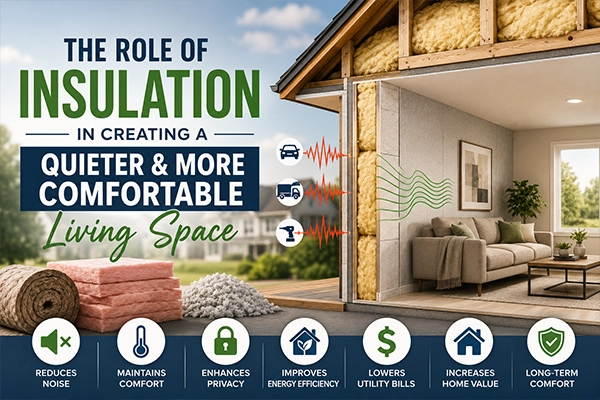
Quality insulation helps reduce outside noise, improve energy efficiency, and create a quieter, more comfortable home environment
How cozy and quiet a house feels depends a lot on how well it is insulated. In addition to keeping the temperature inside stable, it blocks out outside noise and helps keep the temperature inside stable throughout the year.
A lot of people focus on their heating and cooling systems and forget about how insulation can help them feel better every day. Putting in soundproofing can make it easier for sounds to move from one room to another, cut down on street noise, and make the whole house quieter. In addition, it helps save energy by preventing heat gain or loss.
Knowing how insulation affects both warmth and noise levels can help people make smart choices about how to improve their homes for long-term benefits and a better quality of life.
Maintaining a secure and stable home structure also involves protecting the areas where energy and sound often escape, such as the roof and attic.
When reviewing the vulnerabilities of an upper level, working with a qualified Roofing Company in Amarillo can provide critical insights into your building envelope.
A well-maintained roof system serves as the primary shield against severe weather elements while preventing conditioned air leaks. Addressing these exterior structural issues helps support the internal barriers, contributing to a more consistent and relaxing indoor environment for years to come.
When homeowners invest in upgrades like better roofing or sealing, they often discover that these improvements go hand-in-hand with insulation to create a more resilient building.
To ensure your property remains in top condition, you can learn more about the service options available for reinforcing your home’s exterior.
Taking a proactive approach to both weatherproofing and internal barriers can help limit wear on the structure while contributing to a more consistent and relaxing indoor environment for years to come.
How insulation improves daily living comfort
Sound Control Inside the Home
Insulation has a big effect on how sound moves through a house, which in turn affects how quiet and comfortable it is to live in. When you put materials in the floors, walls, and ceilings, they act as barriers that stop airborne and contact noise from moving from one area to another.
This makes it less likely that noises like talks, footsteps, and appliances will bother people in other rooms, making the whole place quieter. Insulated homes often feel more private, especially in public living areas where many things are going on at once.
Even small changes to how you control noise can make a big difference in how calm your home feels at night or during busy times. Insulation also helps cut down on echoes in bigger rooms by absorbing sound waves and lowering the number of sharp reflections.
This produces a more balanced sound environment over time, which helps people relax, focus, and feel more comfortable all around the house.
Achieving this level of indoor tranquility often requires a strategic approach to the attic and roofline, where outside noise most easily penetrates the home.
When these upper areas lack adequate coverage, neighborhood sounds and weather impact can become constant disruptions to an otherwise peaceful environment.
Local experts like Insulation Commandos of Oklahoma City can help identify specific gaps in your home’s thermal and acoustic defenses to ensure a more consistent barrier.
By addressing these weak spots, homeowners can significantly improve the daily experience of their living space while supporting better energy performance. In the end, this makes everyday life better for everyone concerned.
Noise Reduction Through Building Materials
Modern soundproofing materials are made to cut down on noise from both inside and outside, making homes more comfortable overall. How well sound waves are absorbed or stopped by structural elements depends on how dense the materials are and what they are made of.
A lot of modern homes have improved wall cavities and roof layers to make noise from traffic, neighbors, or appliances less noticeable. Homeowners seeking improved acoustic comfort often consult providers such as First Defense Insulation Services in Houston to understand suitable installation options.
Using the right sealing and layering methods can help control noise even more by closing up gaps where sound normally leaks out.
This makes the inside of the house quieter, so talks and activities don’t easily get heard in other parts of the house. As a result, people who live there can rest and focus better during the day.
These kinds of changes are especially clear in cities where there is a lot going on all the time. They make everyday life more comfortable and improve the indoor experience generally.
Thermal Stability and Acoustic Balance
There is a balance between keeping the temperature stable and keeping noise down in a living area that insulation helps with. When the temperature inside stays the same, building materials don’t expand and contract as much, which indirectly helps lower noise from building movement.
People who plan homes every day don’t always think about this link between controlling heat and reducing noise. When homes keep their internal conditions fixed, they tend to feel more settled, with fewer disturbances from changes in the outside world.
The floors, walls, and ceilings all work together to make a system that keeps things comfortable and quiet. If these parts are installed correctly, they should work well without any gaps that could affect their performance.
This balance makes life better over time by lowering both temperature changes and noise that isn’t needed. These perks are especially helpful in buildings with more than one floor and in shared housing. They successfully lower both the shaking of buildings and the transmission of sound through the air. In various places.
Enhancing Privacy Between Rooms
A house with good insulation protects your privacy by keeping noise from moving between rooms that are next to each other and walls that are shared. This is especially important in homes where many people are doing different things at the same time.
For instance, people talking in one room are less likely to wake up people who are sleeping or working in another room. Insulated doors and walls help set clear limits that make people feel more comfortable and less interrupted.
This lets people in the house go about their daily lives without being interrupted by noise. Sound leakage in shared areas can be cut down a lot by making even small changes to the insulation in the walls inside.
This makes the home setting more flexible for people with different schedules and ways of life. Increasing privacy can also help you sleep better and be less distracted during rest times.
They help people get along in busy homes with different plans. In the end, this makes the shared space more comfortable overall. This is good for everyone at home every day.
Energy Efficiency and Acoustic Comfort
In home settings, insulation helps with both saving energy and making the space quieter. Cutting down on heat transfer helps keep room temperatures stable while reducing the need for too much heating or cooling.
Sound waves are also less likely to travel through walls and ceilings because the building is dense. This mix makes the inside of a building more stable and comfy, which helps with daily tasks. Energy costs go down and sound levels get better in homes, making living areas more enjoyable.
If you put insulation correctly, these benefits will last for a long time. It also keeps the temperature inside stable, which is good for mechanical systems.
You can feel these changes in both older homes and brand-new buildings. They make you feel more comfortable and help you use energy more efficiently all year long.
These things work together to make the indoor surroundings much better. This leads to more general satisfaction for residents every day.
Explore More Content on DDABLOGS: Robert Warner Jr.: Life, Career, and Key Achievements
Reducing External Noise Intrusion
If you don’t handle it right, noise from outside can make indoor living spaces much less comfortable and useful. Insulation protects against outside noise by lowering the amount that comes in through walls, roofs, and floors.
Noise that you don’t want to hear comes from things like traffic, building, and activity in the neighborhood. Insulation can help reduce this noise. This is especially helpful in cities where background noise can make it hard to relax and concentrate.
When insulation systems are built correctly, they reduce noise without affecting air flow or the strength of the structure. When homeowners upgrade the insulation in key places, they often notice a big difference in how quiet their home is overall.
This change helps create a calmer environment that is good for both relaxing and working inside. Insulation is often used in modern building methods to meet rising standards for quiet living spaces.
These methods are being used more and more in both homes and businesses. They help make sure that the sound control works well for a long time. In various types of buildings.
Long-Term Comfort and Home Value
Over time, insulation continues to provide benefits that go beyond instant comfort, having an effect on both the quality of life and the value of a home. Homes with well-kept insulation tend to keep the temperature inside more stable, which makes the people who live there happier in the long run.
Over time, living areas become more appealing and useful by keeping temperatures stable and noise levels low. This can also help make homes more appealing to buyers in private markets.
Insulation keeps heating and cooling systems from wearing out too quickly by lowering their task. Optimizing Your Home Systems for Peak Performance Beyond structural materials, the equipment responsible for moving air throughout your home also plays a significant role in your overall comfort and peace of mind.
When your systems are running efficiently, they contribute to a more stable indoor environment that complements your existing insulation. Homeowners in the desert region often find that scheduling a seasonal checkup with a professional team like Palm Desert Air Conditioning and Heating Co. helps identify minor issues before they lead to unexpected performance drops.
Keeping these systems well-maintained ensures that you can enjoy consistent temperatures and improved air filtration without unnecessary energy waste.
Proper insulation provides the necessary foundation for these mechanical systems to operate efficiently by maintaining a stable thermal boundary. When the building envelope is well-sealed, conditioned air remains inside the living areas longer, which reduces the frequency of system cycles.
Homeowners looking to optimize their property’s climate control and airflow balance may benefit from consulting a heating contractor in Magnolia to evaluate how their equipment interacts with existing insulation levels.
This integrated approach helps identify where heat transfer might be overtaxing the machinery, leading to more sustainable indoor comfort and lower long-term utility expenses throughout the changing seasons
Because of this, upkeep needs may go down over time, which will help keep costs down in the long run.
The overall quality of life is improved in important ways when comfort and efficiency work together. These improvements will still be useful as the seasons change and as people’s needs change.
They also lower the long-term costs of repairs that come with energy loss. Because of this, insulation is an important part of making home improvements. In the end, it will support comfort and security for many years to come.
It’s important to have good insulation in your house so that it stays quiet and comfortable all day. It helps create a more calm and enjoyable living space by lowering annoying noise and keeping the temperature inside stable.
It changes a lot of things, like privacy, energy use, and the general calmness inside. When homes have good insulation, they usually have a calmer environment that helps people rest and work.
In the long run, these perks keep adding value and making people’s lives better. Knowing how it works helps explain why insulation is still important for making homes that are more comfortable and satisfying for long periods of time.


Leave a reply


-
Is Joe Machi Married? The Truth About the Comedian’s Private Life
Joe Machi has probably won you over if you’ve ever seen Last ... -
-
-


